Multi-Factor Authentication (MFA)

Multi Factor Authentication - MFA

Multi-Factor Authentication (MFA): Boost Security While Keeping Access Simple

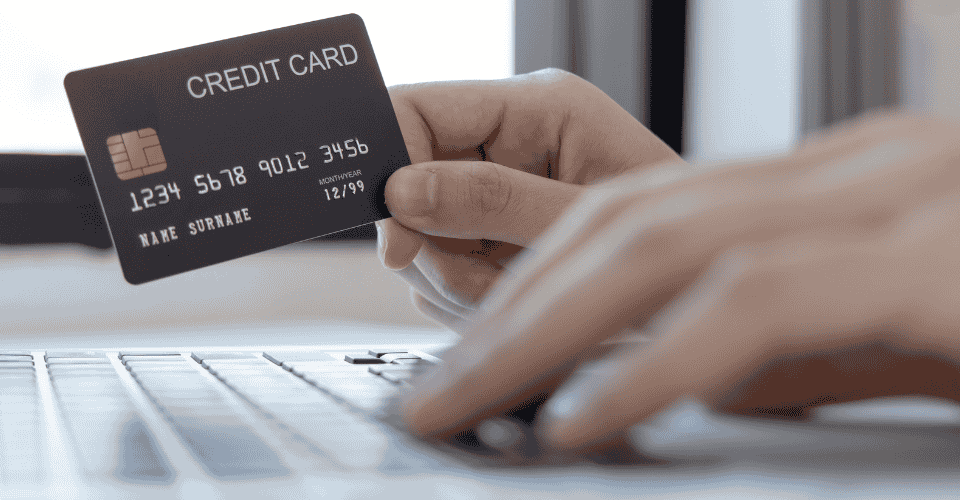
In today’s digital world, protecting your business goes far beyond strong passwords. Multi-Factor Authentication (MFA) locks down access by requiring users to confirm their identity in more than one way, such as a password plus a verification code or a biometric check. This simple addition creates a powerful line of defence against cybercriminals. MFA isn’t just “extra steps.” It’s a practical, proven way to stop the vast majority of breach attempts — even if attackers already have a password. By adding another layer of verification, you make it much harder for unauthorised people to reach sensitive systems and data.

Why MFA Matters for Your Business

Passwords alone are no longer enough. Most breaches today occur because weak or stolen credentials are used to gain access, and they happen fast. Multi-Factor Authentication helps change that by requiring two or more verification methods before granting access.  Here’s what MFA protects against:

  • Credential theft and phishing — Where stolen passwords are used to log in.
  • Automated attacks — Bots trying common username/password combinations.
  • Unauthorised remote access — Especially critical for hybrid or remote workforces.

According to industry research, MFA can block more than 99% of account compromise attacks, making it one of the most effective ways to secure your business. Security doesn’t have to be hostile or slow; modern MFA is designed to be smooth for your team while blocking threats before they escalate.

Cyber

How Multi-Factor Authentication Works: MFA Combines at Least Two of the Following:

Something you know

Like a password or PIN

Something you have

Like an app code, OTP or security key.

Something you are

Such as a fingerprint or facial recognition scan.

After users enter their password, they verify it using one of the methods above. Access is granted only if both checks pass.
This layered approach increases confidence in the user’s identity and stops most automated threats in their tracks.

Multi Factor Authentication MFA

Adaptive MFA: Smarter Security That Learns Over Time

Modern MFA systems don’t always prompt every user every single time. Adaptive MFA evaluates risk based on contextual signals like location, device, and behaviour patterns. If someone logs in from a trusted location, they might only need one extra verification step. If the access appears unusual, the system will request additional checks.

This keeps security tight without slowing down legitimate access.

Real-World Benefits of MFA for Your Business

Block Most Automated Attacks

Business surveys show that the overwhelming majority of compromised accounts had no extra verification steps enabled. Adding MFA changes that equation immediately.

Improve Customer and Staff Trust

When your team and customers know you protect data with rigorous authentication, it builds confidence in your brand — and that trust translates into stronger relationships.

Aid Regulatory Compliance

Many regulations, such as GDPR, expect organisations to take “appropriate technical measures” to safeguard data. Using MFA shows clear steps toward compliance.

Reduce Long-Term Costs

Prevention is always more cost-effective than recovery. Recovering from a breach can cost millions in lost revenue, reputation damage, and legal fines — all of which MFA helps prevent well before they ever start.

Ready to Strengthen Your Security?

At Tech-IP, we help UK businesses implement Multi-Factor Authentication solutions that are easy to manage and simple for users to adopt. Whether you’re just starting with MFA or want a smarter, adaptive system, we’re here to support you.

Get in touch for a tailored MFA plan that protects what matters most to your business.

MFA Solutions

FAQs - Multi-Factor Authentication Explained

Multi-Factor Authentication (MFA) is a method for confirming someone’s identity by requiring multiple forms of verification before they can access an account, system, or application. Instead of relying solely on a password, which can be stolen, guessed, or reused across sites, MFA adds an extra layer of security, such as a one-time code sent to a mobile device or a fingerprint scan. This layered security approach dramatically reduces the risk of unauthorised access because even if a password is compromised, the attacker still must pass another verification step.

The most common categories of verification include something you know (like a password), something you have (like a phone or hardware token), and something you are (like biometrics). By combining these, businesses create stronger protections that make cyberattacks far harder to succeed.

MFA significantly reduces the chances of unauthorised access because it forces attackers to provide multiple proofs of identity. Even if someone steals or guesses a login and password, they usually can’t get past the next step of verification, such as entering a one-time code or providing a biometric check. According to industry research, enabling MFA can prevent more than 99% of account compromise attacks, which are the start of many larger breaches and ransomware incidents.

This means your employees’ logins, customer portals, and admin systems are much safer. It also strengthens compliance with many privacy regulations that expect you to take “reasonable steps” to secure sensitive data.

There are several common Multi-Factor Authentication methods:

  • SMS codes or app-generated one-time codes — A text or app gives a temporary code that your users must enter after their password.
  • Authenticator apps & tokens — These generate frequently changing codes or use push-based approvals.
  • Biometric checks — Fingerprint scans, facial recognition, or voice recognition add a highly secure factor.
  • Hardware keys — Devices such as USB security keys provide an extra possession-based factor.

Different methods deliver different levels of protection and convenience, and many systems allow a combination, so users can choose what works best for them.

No. Modern MFA solutions are designed to balance security with usability. Most people find that entering a quick code or approving a push notification on their device is a simple step that fits naturally into their login flow. While it adds a small step, end users generally adapt quickly, and the protection it provides against potential breaches is well worth it.

Adaptive MFA systems can further reduce friction by only prompting for extra checks when the risk is higher (e.g., from a new device or outside trusted locations).

The cost of Multi-Factor Authentication varies depending on the provider and the complexity of your setup. Many platforms include MFA as part of their standard security features, with little or no additional cost. Others offer more advanced adaptive or enterprise features for larger organisations. While there may be licensing or configuration costs, these are typically modest compared to the financial and reputational impact of a data breach. Investing in strong access protection tools today can help you avoid costly security incidents tomorrow.

Not in a meaningful way. In practice, most MFA prompts only take a few extra seconds during login. Adaptive systems may even skip additional verification for trusted users or locations, making MFA feel almost invisible in daily use. Because it significantly reduces security risk, the slight extra step is generally a positive trade-off for most businesses.

Empowering your staff with secure login habits reinforces a culture of safety and responsibility and most teams quickly embrace these changes once they understand the value they bring.

Yes — Multi-Factor Authentication supports compliance with many data protection standards because it provides tangible evidence that you’re taking “appropriate technical measures” to protect information. Whether you’re aiming for GDPR compliance or industry-specific frameworks, MFA demonstrates your commitment to safeguarding accounts and sensitive data.

This can be especially important during audits or security reviews, where robust authentication practices help validate your risk management processes.

Absolutely. MFA can significantly reduce the risk of successful phishing because it stops attackers who have only stolen credentials from moving forward. Even if a phishing email tricks someone into revealing a password, the attacker still won’t have access to the second verification factor, whether that’s a code, app approval, or biometric check.

While no system is completely fool proof, combining MFA with good awareness training and secure login practices makes it dramatically harder for cybercriminals to succeed.

Cyber Services

Firewall

Firewall

Advanced firewalls block threats, safeguarding networks and critical assets.

Endpoint Security

Endpoint Security

Endpoint security protects devices, preventing breaches and cyber threats.

Multi Factor Authentication

Multi-Factor Authentication

MFA adds layers of protection, reducing unauthorized access and risks.

Cyber Essentials

Cyber Essentials

We can help you achieve Cyber Essentials certification and boost security.

Business technology to keep your business safe and connected

Your technology partner for IT and communications. 

IT, cybersecurity, connectivity, voice and support services work together as a single, cost-effective stack, protecting your business, supporting your goals, and backed by reliable ongoing support.

Business Services

moving office

I am moving office

Moving office phone systems can be stressful, we can help with your office relocation.

Setting Up New Office

I am setting up a new office

Find the right location, design the workplace, negotiate a lease or decide on buy.

Review telephone services

Phone service review

Detailed cost service review of all your IT and telecoms costs and services.

Managed Voice and Data

Managed phones and internet connections

Specialised voice and data services for corporate customers throughout the UK.

04/03/2026

Cyber Essentials Is Changing in 2026: Is Your Business Ready?

Cyber Essentials is changing in 2026 and UK businesses need to prepare now. With the updated Cyber Essentials 2026 changes, organisations must adopt stronger authentication, clearer cloud security measures, and tighter vulnerability management to remain compliant and resilient. These updates reflect real-world risks and affect certification renewals across sectors, including companies in the north west. By understanding what’s new and adjusting your cyber strategy early, you not only protect your business from evolving threats but also maintain eligibility for tenders, insurance advantages, and client confidence. Get ahead of the Cyber Essentials update to secure your certification and strengthen your cybersecurity posture in the year ahead.

10/02/2026

Meet Zoom AI Companion: Your Smartest AI Assistant for Work

Zoom AI Companion is a built-in AI assistant that helps teams work smarter with Zoom. It summarises meetings, highlights action items, and assists with messages, reducing admin time and improving collaboration across everyday workflows.

20/01/2026

Transforming Business Communication with Microsoft Teams Voice

Modernise your business communication with Microsoft Teams Voice, powered by Gamma and delivered by Tech IP. As the PSTN switch-off approaches, many UK organisations — especially in the North West — are upgrading to a Microsoft Teams Phone System for flexible, reliable cloud calling. This guide explains the benefits of Operator Connect, AI-powered calling features, built-in resilience, and fully managed deployment, helping your business reduce costs, boost productivity, and improve collaboration across every team.

16/12/2025

The 2027 Switch-Off: What It Means for Law Firms

The 2027 ISDN switch-off is approaching quickly, and many law firms still aren’t prepared. Since clear, reliable communication is essential in legal work, this looming change can feel worrying — but it doesn’t have to be. By upgrading to a cloud VoIP phone system early, your firm gains smoother communication, lower costs, and far more flexibility for hybrid working. Even better, the transition becomes simple when the right partner guides you. In this article, we walk through why cloud VoIP is a smart move for solicitors as the deadline gets closer.

Our Partners


Below are some of the companies that are partners with Tech IP.